

Industrial printing facilities are undergoing a structural upgrade. Production floors that once relied on single head machines are now rapidly transitioning toward dye sublimation dual spray printer systems.
The primary driver is not aesthetics—but throughput, stability, and workflow efficiency.
Single head systems face three consistent limitations:
As order volumes increase in textile and advertising sectors, these bottlenecks become critical.
Dual head systems allow synchronized ink deposition, improving speed without sacrificing resolution.
The adoption of Epson I3200 printhead technology improves droplet precision and long-term stability.
Industrial environments require machines capable of 24/7 operation. Dual head systems significantly reduce production interruptions.
Historically, speed improvements often came at the cost of print consistency. However, modern sublimation printers have rebalanced this equation.
Key improvements include:
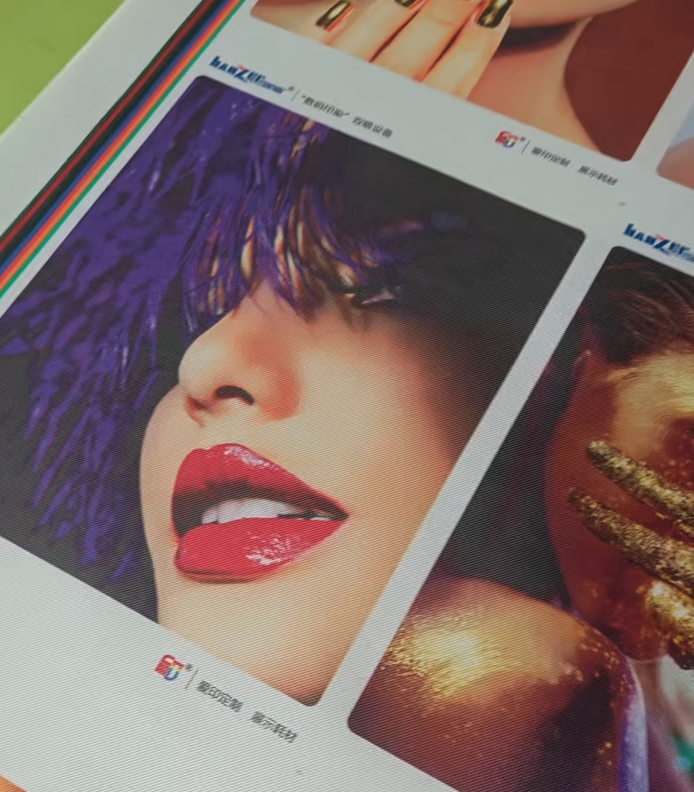
One of the most visible improvements is in gradient color reproduction.
With dual head systems:
Three market forces are driving adoption:
As a result, factories prioritize workflow efficiency over initial equipment cost.
Q1: Is a dye sublimation dual spray printer suitable for mass production?
Yes, it is designed for continuous industrial output.
Q2: What is the advantage of Epson I3200?
It provides high precision and stable long-term performance.
Q3: Can dual head systems improve speed significantly?
Yes, they can nearly double production efficiency in many workflows.
Q4: Are they suitable for mesh fabric printing?
Yes, especially in banner and soft signage applications.
Q5: Do they reduce ink waste?
Yes, due to optimized droplet control.