

In modern advertising and textile printing industries, the dye sublimation dual spray printer has become a widely used industrial solution due to its balance of speed, stability, and color accuracy. However, one of the most common questions from buyers is how to quickly evaluate print quality in real production.
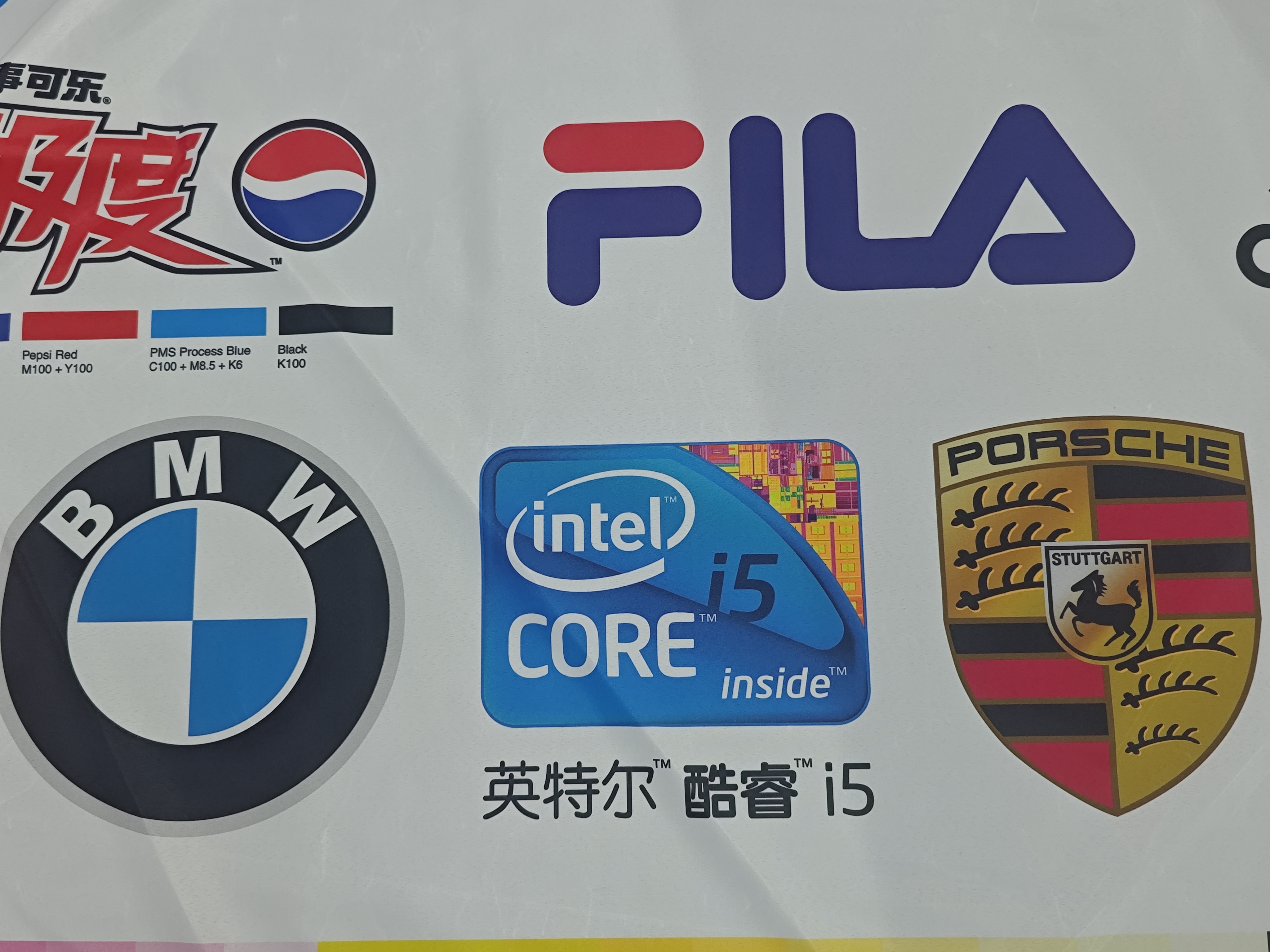
A practical and widely used method is logo testing. Most brand logos contain solid color blocks, gradients, and fine edge details. A high precision dual spray sublimation printer must accurately reproduce these elements without color deviation or blurring. If the logo appears sharp and color-consistent, the machine generally performs well in real production environments.
The dye sublimation dual spray printer technology relies on synchronized dual printheads that distribute ink evenly across the substrate. This improves color consistency and reduces banding issues commonly seen in single-head systems. It is especially important in large-format advertising production where visual clarity is critical.
Compared with traditional systems, dual head sublimation printing machine performance is significantly stronger in handling continuous color gradients. Brand logos often include subtle transitions that require precise droplet control. Dual-head systems ensure smoother ink layering and better overall visual output.
In advertising production, color accuracy directly affects brand identity. Whether printing flags, banners, or exhibition graphics, inconsistent logo colors can reduce brand recognition. That is why logo-based testing has become a standard method for evaluating sublimation printers.
Another key advantage of sublimation technology is durability. The dye is transferred into polyester fibers under heat, resulting in long-lasting and fade-resistant colors. This makes it ideal for outdoor advertising applications where exposure to sunlight and weather is unavoidable.
Industrial stability is also essential for long-term production. A reliable dye sublimation system must maintain consistent output during continuous operation. Poor stability often leads to color shift over time, especially in high-volume printing environments.
As demand for customized printing continues to grow, businesses increasingly rely on visual testing methods such as logo reproduction to evaluate machine performance. This simple yet effective approach helps ensure consistent production quality across different applications.