

The demand for vibrant textile printing and large-format advertising graphics continues to grow worldwide. In modern production environments, accurate color consistency is no longer optional. Customers expect precise gradients, sharp details, and stable color reproduction across every production batch. This is why the dye sublimation dual spray printer has become one of the most important technologies in industrial sublimation printing.
Compared with traditional single-head printers, dual-head systems provide faster output, smoother color transitions, and better production stability. More importantly, they help reduce color shifting issues during high-speed operation.
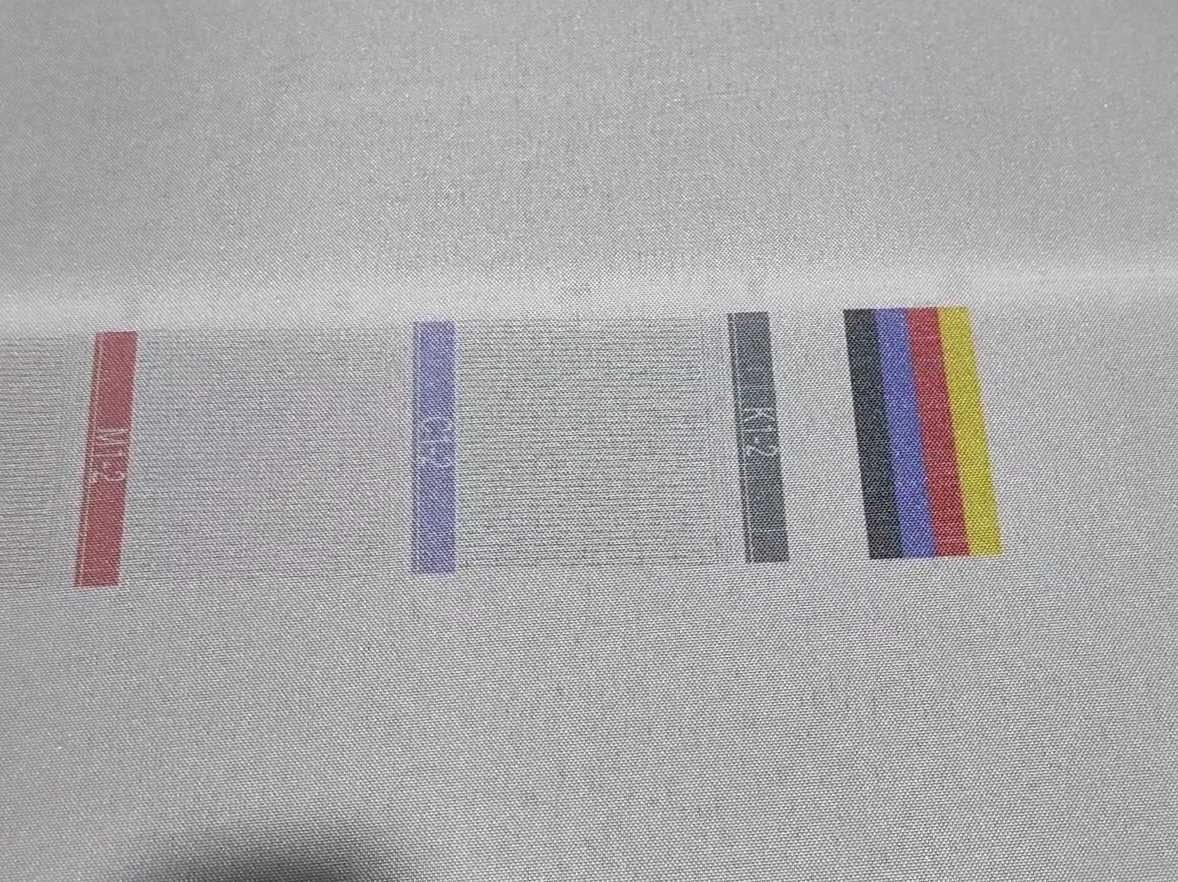
The principle behind sublimation printing is simple but highly technical in execution. Sublimation ink is first printed onto transfer paper and then transferred onto polyester fabrics or coated materials through high-temperature heat pressing.
The challenge lies in maintaining accurate color performance throughout the process. Temperature variation, ink density, media tension, and printhead alignment can all affect final output quality.
This is where advanced dye sublimation dual spray printer technology becomes essential.
Modern dual-head printers use synchronized printhead control systems to ensure uniform droplet placement during high-speed printing. When both printheads operate in perfect alignment, the printer can produce smoother gradients, richer blacks, and cleaner color transitions.
Many industrial sublimation machines now use Epson I3200 printheads because of their precision and durability.
The Epson I3200 offers:
A high precision dual spray sublimation printer equipped with dual Epson I3200 printheads can significantly increase production efficiency while maintaining excellent image quality.
For textile factories and advertising print shops, this combination provides both speed and reliability.
A common question from buyers is whether dual-head printing is truly better than single-head systems.
The answer is yes—especially for industrial applications.
A single-head printer may perform adequately for low-volume custom jobs, but once production demand increases, limitations become obvious. Printing speed slows down, color consistency becomes unstable, and maintenance frequency increases.
A dual head sublimation printing machine performance advantage comes from synchronized output technology. Dual-head systems allow:
For banner factories, sportswear manufacturers, and exhibition graphic suppliers, these benefits directly improve profitability.
One of the biggest reasons for color shift is poor ICC profile management.
Professional sublimation printers rely heavily on customized ICC color profiles to maintain consistent output across different fabrics and transfer papers.
A properly calibrated dye sublimation dual spray printer should include:
These adjustments help ensure accurate color reproduction even during high-speed production.
Industrial users require printers that can operate continuously without sacrificing quality.
Modern sublimation printers now include:
These features greatly improve long-term reliability.
For large-scale banner printing and textile production, stability is often more important than peak speed alone.
As eco-friendly textile production becomes increasingly important, sublimation printing continues to gain popularity due to its low pollution, vibrant color output, and compatibility with polyester fabrics.
The future market will increasingly favor:
Choosing the right dye sublimation dual spray printer is no longer just about hardware specifications. Buyers should focus on long-term stability, color consistency, and industrial production capability.