

As global demand for textile printing, advertising graphics, and personalized fabric products continues to grow, manufacturers are placing greater emphasis on industrial printing stability and productivity. A dye sublimation dual spray printer is now widely recognized as one of the most efficient solutions for high-speed sublimation production, especially in hot workshop environments where temperature fluctuations can affect print quality.
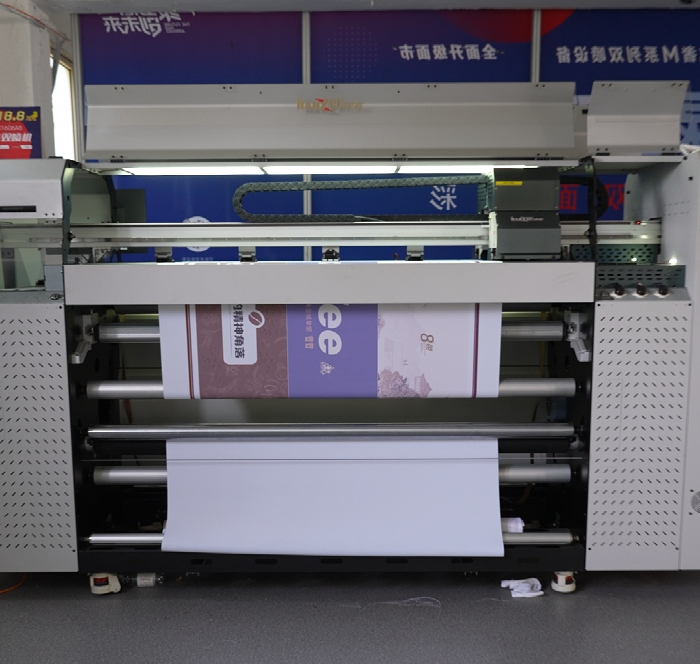
Modern printing businesses require machines capable of delivering continuous output, accurate color reproduction, and reduced downtime. This is where advanced dye sublimation dual spray printer technology becomes increasingly important.
Dye sublimation printing works by transferring sublimation ink onto polyester fabrics or coated materials through heat and pressure. The process allows colors to penetrate deeply into the material, producing vibrant images with excellent durability and smooth gradients.
Unlike traditional printing methods, sublimation technology offers several advantages:
A high precision dual spray sublimation printer further enhances these benefits by using synchronized dual printheads for faster and more stable printing.
In high-temperature environments, sublimation ink can evaporate faster, which may cause nozzle clogging, ink instability, or inconsistent color output. Continuous operation also increases internal machine temperatures, potentially affecting printhead performance.
To maintain stable output, professional operators usually keep workshop temperatures between 20°C and 28°C with controlled humidity levels. Industrial ventilation systems and air conditioning are commonly used in large-scale production facilities.
Many industrial-grade dye sublimation dual spray printers are equipped with Epson I3200 printheads because of their exceptional precision and speed.
Key advantages include:
Compared with older printhead technologies, the Epson I3200 provides significantly improved image sharpness and color consistency, especially for banners, exhibition graphics, and textile applications.
One of the biggest differences between a dual-head system and a single-head printer is production efficiency.
A dual head sublimation printing machine performance setup allows simultaneous printing operations, which can nearly double production speed while maintaining stable image quality.
Advantages of dual spray systems include:
For companies handling large advertising or textile orders, dual spray technology offers a substantial competitive advantage.
Modern advertising and textile markets demand highly accurate color reproduction. Brand logos, exhibition backdrops, and promotional banners often require smooth gradients and consistent tones.
A high precision dual spray sublimation printer uses advanced ICC color management systems to ensure accurate color control across long production runs.
This technology is especially valuable for:
Industrial printing operations often run for many hours each day. A reliable dye sublimation dual spray printer must handle continuous production without overheating or losing print quality.
Modern industrial models are designed with:
These features reduce downtime and improve long-term production reliability.
The demand for faster and more environmentally friendly printing solutions is driving rapid innovation in sublimation technology. Businesses are increasingly investing in dye sublimation dual spray printer technology to improve production efficiency while reducing operating costs.
As customization markets continue to expand, dual spray sublimation systems will play a critical role in textile printing, advertising production, and industrial graphics manufacturing worldwide.